Special Exhibitions
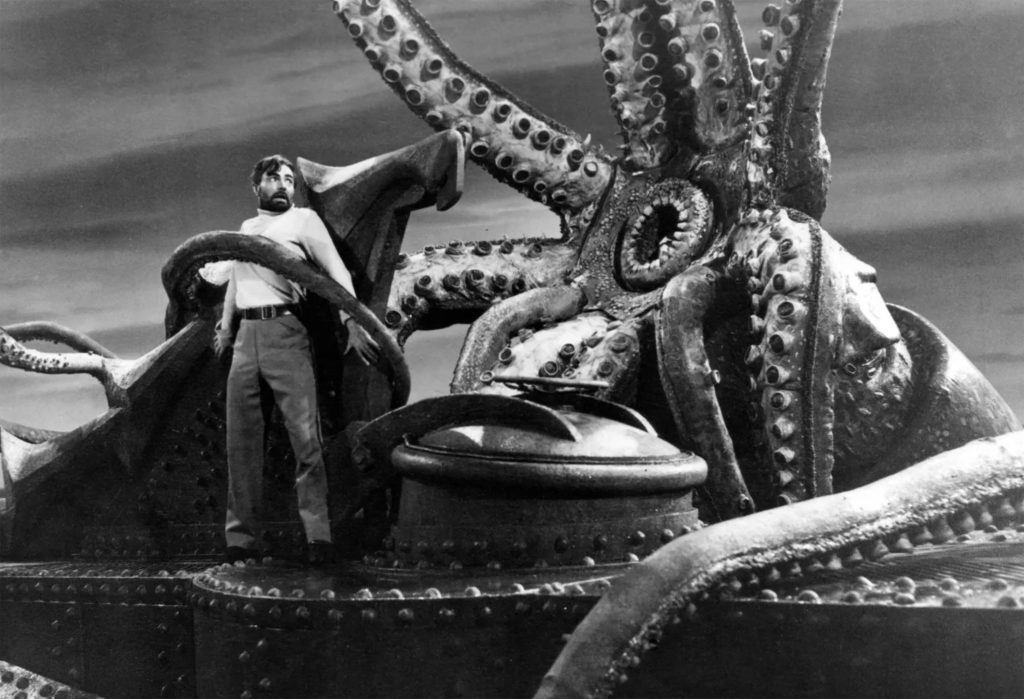
A Wondrous Phenomenon: Truth and Legend of the Giant Squid
The Giant Squid is the largest of the approximately 85,000 known species of mollusks and the largest invertebrate (animals without bones) on Earth, reaching a maximum length of over 40 feet. They are also one of the most elusive and mysterious of marine animals, occupying deep waters and seldom rising to the surface.
Giant Squids have long captivated the human imagination. They are very large, rarely seen, and poorly understood when compared to other large marine animals such as whales. The first visual record of a live Giant Squid was not made until 2004, and there have been just a handful since. For centuries, legends and myths have been as much a part of popular perceptions of the Giant Squid as known science.
A Wondrous Phenomenon spotlights what we know of the amazing biology and behavior of this giant of the sea including its size, diet, deep ocean habitat, and geographic distribution. The exhibition also explores how the Giant Squid has inspired and influenced conceptions of the sea monster, from Moby Dick and 20,000 Leagues Under the Sea, to ‘’The Kraken’’ and legendary battles with Sperm Whales.
A Wondrous Phenomenon is organized by the Bailey-Matthews National Shell Museum & Aquarium and is made possible by a grant in support of special exhibitions from the Glenn W. Bailey Foundation.
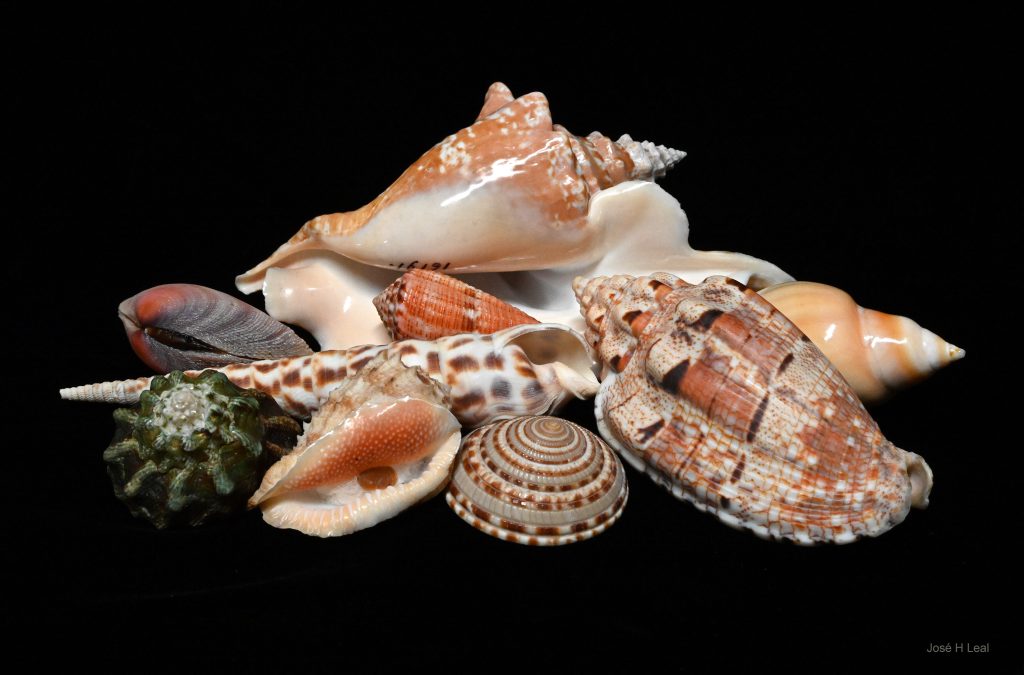
Paradise Found: Seashells of the Caribbean
The Caribbean Sea and its islands and coastlines are home to diverse and rich ecosystems that house abundant wildlife of many kinds, including mollusks. It is a region that is home to millions of people and is a vacation destination for many millions more drawn to its tranquil waters, beautiful beaches, and
robust cultures.
Caribbean seashells encompass a wide and striking range of colors, shapes, and sizes that reflect their home region and that are influenced by the unique environmental features of the Greater Caribbean Region such as coral reefs, equatorial currents, and tropical climate.
Paradise Found is a selection of some of the finest Caribbean shells from the Museum’s permanent collection, displayed together now for the first time. From the iconic to the rare, the exhibition presents exceptional specimens that are emblematic of the rich marine biodiversity of the Caribbean Sea.
Paradise Found is curated by Dr. José H. Leal, Science Director and Curator. It is made possible by a grant in support of special exhibitions from the Glenn W. Bailey Foundation.
*Photo by Dr. José H. Leal
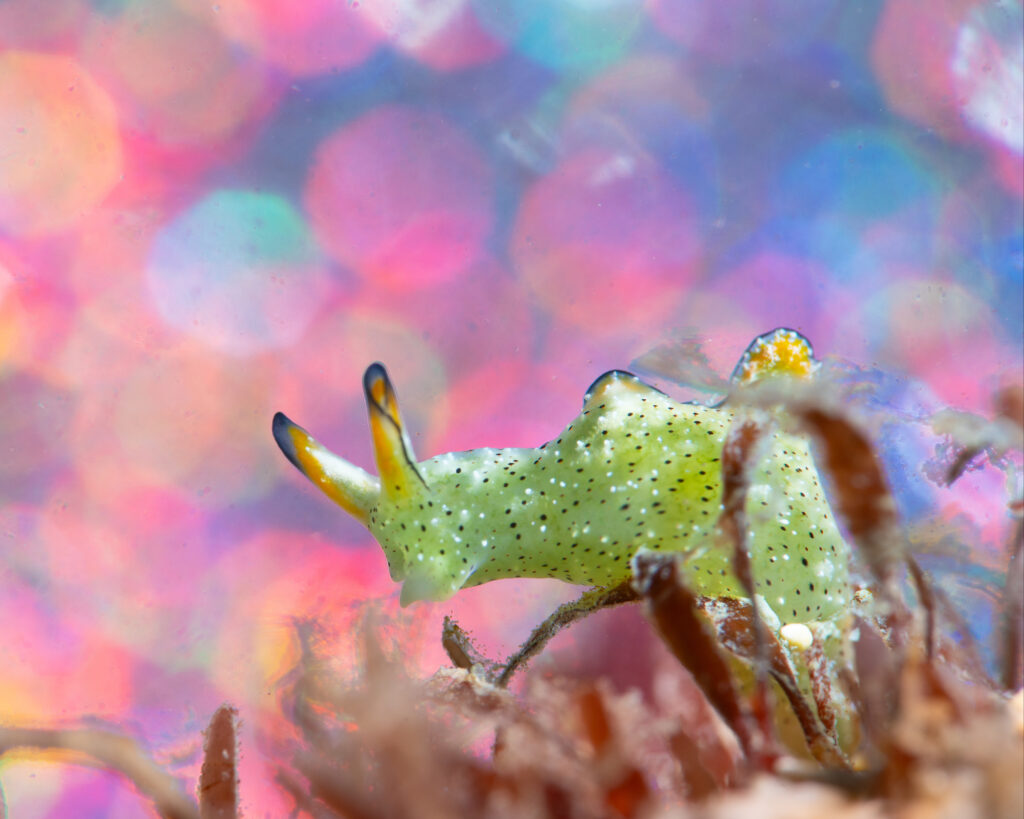
Brilliant Colors of the Sea: Nudibranchs and Their Relatives
Nudibranchs are marine gastropod mollusks that lack a shell in their adult form and are celebrated for their color patterns. They live worldwide in temperate and tropical regions, but the most colorful and eye-catching species are associated with warm waters and coral reefs. There are about 3,000 known species of nudibranchs.
Brilliant Colors of the Sea features 21 underwater photographs taken by Scott Johnson and Gabriel Jensen, in the South Pacific and South Florida. The exhibition explores the relationship between color and defense mechanisms for nudibranchs, their conservation status, and other subjects.
Scott has spent nearly 40 years in the Marshall Islands and began photographing underwater at the age of 15. His work has been acclaimed for decades. Gabriel’s award-winning images of underwater microfauna in Florida have been featured by NOAA, Smithsonian Magazine, and National Geographic Wild, among others.
Brilliant Colors of the Sea is organized by Science Director and Curator Dr. José H. Leal. It is made possible by a gift from the McQueen Family and a grant from the Glenn W. Bailey Foundation.